
Introduction
Food is a basic human necessity that sustains life, supports health, and strengthens communities. In today’s fast-moving world, people search not only for quality nutrition but also for convenience and affordability. Searches like “food near me” reflect the growing demand for quick access to meals, groceries, and local food services. At the same time, government-backed initiatives such as the food security card play a critical role in ensuring that economically weaker sections have access to essential food supplies.
This article provides a comprehensive overview of food, explores the concept and usefulness of food near me, and explains the importance, benefits, and eligibility of the food security card in ensuring nutritional security.
Understanding Food and Its Importance
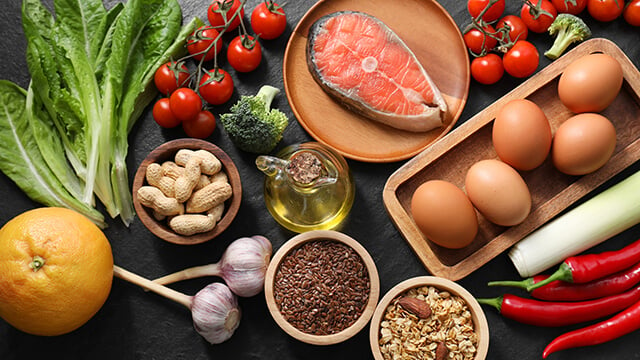
Food is more than just a source of energy; it is the foundation of physical and mental well-being. A balanced diet supplies essential nutrients such as carbohydrates, proteins, fats, vitamins, and minerals required for growth and immunity.
Inadequate access to nutritious food can lead to malnutrition, weakened immunity, and chronic health conditions. This is why food availability, affordability, and accessibility are global priorities, especially in developing countries.
What Does “Food Near Me” Mean?
The term food near me is commonly used in online searches to find nearby restaurants, grocery stores, street food vendors, cloud kitchens, or food delivery services. With the rise of smartphones and location-based services, people can instantly locate food options within their surroundings.
Benefits of Searching “Food Near Me”
-
Convenience: Saves time by showing nearby food outlets
-
Variety: Access to multiple cuisines and price ranges
-
Real-time availability: Shows open restaurants and delivery options
-
User reviews: Helps choose quality food based on ratings
Types of Food Options Found Near You
1. Restaurants and Cafes
From fine dining to budget eateries, restaurants offer cooked meals for dine-in, takeaway, or delivery.
2. Street Food Vendors
Affordable and flavorful, street food is a popular choice in urban and semi-urban areas.
3. Grocery Stores and Supermarkets
For home cooking, grocery stores provide raw ingredients, packaged foods, and daily essentials.
4. Online Food Delivery Platforms
Apps connect users to nearby restaurants, making food accessible without stepping out.
Role of Technology in Finding Food Near Me
Digital maps, GPS, and food delivery applications have transformed how people access food. Algorithms suggest food based on location, preferences, and past orders. This technological integration has boosted local food businesses while improving customer convenience.
What Is a Food Security Card?
A food security card is a government-issued document that allows eligible households to purchase essential food items at subsidized prices. It is a key component of food welfare programs designed to reduce hunger and poverty.
In India, food security cards are issued under public distribution systems (PDS) to ensure that families receive staples such as rice, wheat, and pulses at affordable rates.
Importance of the Food Security Card
The food security card plays a vital role in achieving national food security and social welfare goals.
Key Importance Areas
-
Prevents hunger and starvation
-
Ensures affordable access to staples
-
Supports low-income households
-
Promotes nutritional stability
By reducing the cost burden of food, families can allocate income toward healthcare, education, and housing.
Types of Food Security Cards
1. Priority Household Card
Issued to families identified as economically vulnerable.
2. Antyodaya Anna Yojana (AAY) Card
Designed for the poorest households, offering higher food subsidies.
3. General Ration or Food Card
For families not under priority categories but still eligible for food benefits.
Eligibility Criteria for a Food Security Card
Eligibility varies by region, but common criteria include:
-
Low household income
-
Absence of stable employment
-
Inclusion in government poverty databases
-
Residence proof within the issuing state
Applicants must provide identity proof, address proof, and income details.
How to Apply for a Food Security Card
-
Visit the local food supply or ration office
-
Apply online through the state food department portal
-
Submit required documents
-
Verification by authorities
-
Card issuance upon approval
Once issued, beneficiaries can collect food from designated fair price shops.
Connection Between Food Near Me and Food Security Card
While food near me focuses on accessibility and convenience, the food security card ensures affordability and entitlement. Together, they represent two sides of food access—commercial availability and social welfare support.
For low-income families, ration shops are often the most important “food near me” option, providing essential grains at controlled prices.
Challenges in Food Accessibility
Despite progress, challenges remain:
-
Uneven distribution of ration shops
-
Quality concerns in subsidized food
-
Urban migration affecting card portability
-
Rising food prices in open markets
Addressing these issues requires policy reforms, digital integration, and awareness campaigns.
Government Initiatives Supporting Food Security
Governments implement schemes such as:
-
Public Distribution System (PDS)
-
One Nation One Ration Card
-
Midday Meal Programs
-
Community kitchens
These initiatives strengthen food availability and ensure no citizen is deprived of basic nutrition.
Future of Food Access and Security
The future lies in combining technology, policy, and community participation. Digital ration cards, doorstep delivery of subsidized food, and AI-based demand forecasting can further improve food security.
Urban planning that integrates affordable food hubs will also enhance the effectiveness of “food near me” searches for all income groups.
Conclusion
Food is a fundamental human right, and access to it defines the health and stability of societies. While food near me reflects modern convenience and digital access to meals, the food security card ensures that essential nutrition reaches those who need it the most. Together, they form a balanced system of accessibility and affordability.
Strengthening food security programs while supporting local food ecosystems will create a future where no one sleeps hungry and everyone has reliable access to nutritious food.